
Spiritual Healing: A Midlife Woman’s Journey

Spiritual But Skeptical? Why That’s Not a Contradiction
I remember the moment I first dared to admit it out loud: “I’m deeply spiritual, but I question everything.” The words felt both terrifying and freeing as they left my lips during a women’s circle I’d been attending for months. I’d been carrying a growing discomfort with the certainty I saw around me – the unshakeable beliefs, the prescriptive practices, the way spirituality had become yet another performance metric in many spaces.
To my surprise, several women in the circle let out audible sighs of relief. One whispered, “Oh thank goodness, I thought I was the only one.” In that moment, something shifted. We began having a different kind of conversation about faith, doubt, and what it means to walk a spiritual path while holding space for uncertainty.
Now in my fifties, I’ve come to see that skepticism isn’t the opposite of spirituality – it’s often a sign of spiritual maturity. The questions and doubts that arise aren’t obstacles to overcome, but essential companions on an authentic journey. They keep us honest. They prevent spiritual bypass. They help us discern truth from wishful thinking.
The Wisdom of Both/And
Our culture loves binaries: you’re either spiritual or skeptical, faithful or doubtful, certain or lost. But life rarely fits into such neat categories. The deeper I go on my own path, the more I appreciate the wisdom of “both/and” thinking. I can be both devoted to my spiritual practice and questioning its parameters. I can both feel divine presence and wonder if I’m making it all up. I can both seek guidance from ancient wisdom traditions and maintain healthy critical thinking.
This isn’t spiritual laziness or lack of commitment – it’s spiritual adulthood. Just as human relationships deepen through honest navigation of complexity, our relationship with the sacred can mature through engaging with doubt rather than trying to banish it.
The Problem with Spiritual Perfectionism
Many of us came of age in religious or spiritual environments that demanded unwavering certainty. Doubt was seen as dangerous, questions as threatening to faith. We learned to perform spirituality rather than embody it authentically. Even as we moved into alternative spiritual paths, some of us simply transferred that perfectionism to new practices.
I see it in women’s circles and spiritual communities: the pressure to always be “high vibe,” to never admit darker emotions, to have conquered all human messiness through meditation or manifestation. This creates exhausting spiritual performance anxiety and drives authentic experiences underground.
But what if our doubts, questions, and messy humanity aren’t obstacles to spiritual connection but doorways to deeper truth? What if skepticism is actually a form of discernment that can protect us from spiritual bypass and manipulation?
Reclaiming Healthy Skepticism
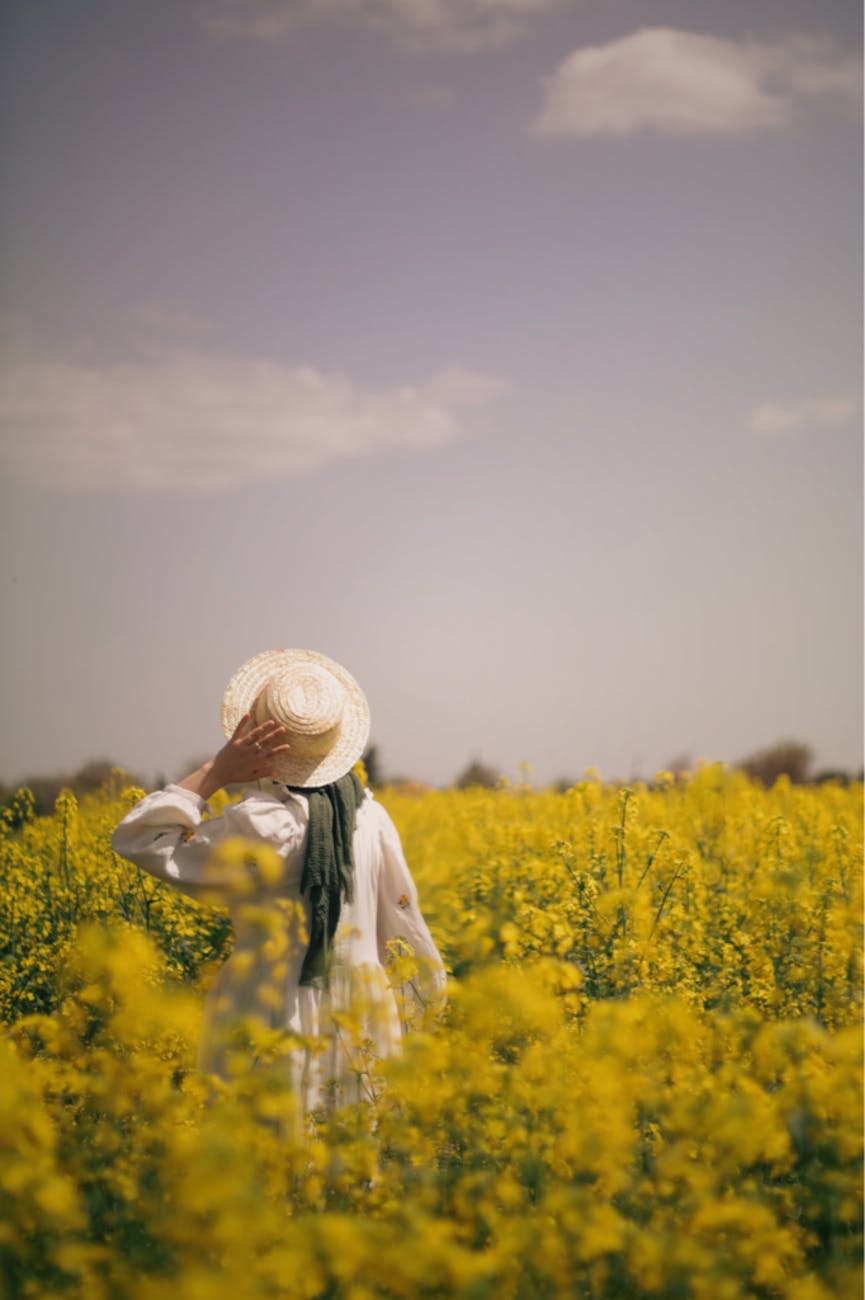
The word skeptic comes from the Greek “skeptikos” meaning “thoughtful, inquiring.” True skepticism isn’t about cynical rejection of everything spiritual. It’s about maintaining our capacity to think critically and discern truth from illusion. It’s about being willing to sit with uncertainty rather than grasping at false certainty.
In my own journey, I’ve found that healthy skepticism helps me:
- Question teachings and practices rather than accepting them blindly
- Notice when spiritual concepts are being used manipulatively
- Maintain boundaries around my spiritual exploration
- Trust my own direct experience rather than deferring to authorities
- Stay grounded in reality while exploring mystical realms
- Integrate spiritual insights practically rather than bypassing real issues
The Shadow Side of Certainty
While doubt can feel uncomfortable, absolute certainty in spiritual matters often indicates what Buddhist teacher Pema Chödrön calls “spiritual materialism” – using spirituality to strengthen the ego rather than transcend it. I’ve watched spiritual certainty become a weapon, used to judge others or avoid facing one’s own shadow.
When someone tells me they’ve never questioned their beliefs or practices, I worry more than when someone shares their doubts. Healthy spirituality involves ongoing discernment, refinement, and evolution of understanding. It requires us to stay humble and open to mystery.
Making Peace with Mystery

Perhaps the greatest gift of being both spiritual and skeptical is developing comfort with mystery. We don’t have to have everything figured out. We don’t need absolute answers to keep exploring. We can hold our experiences as true for us while remaining open to other perspectives.
This isn’t about being wishy-washy or uncommitted. It’s about being honest about the inherent mystery of existence while still engaging deeply with spiritual practice and exploration. It’s about finding solid ground in our direct experience while maintaining humility about our interpretations.
Some practices that help me navigate this territory:
- Grounding in Direct Experience
- Instead of getting lost in spiritual concepts or trying to force myself to believe certain things, I return to direct experience. What do I actually know in my bones? What have I truly experienced rather than just read about or been told?
- Maintaining Healthy Boundaries
- I’m selective about spiritual teachers and communities. I watch for red flags like demands for unquestioning acceptance, pressure to ignore intuition, or shaming of doubts and questions.
- Journaling Without Judgment
- Regular reflection helps me track my authentic experience without pressure to make it fit any particular spiritual framework. I can explore questions, doubts, and apparent contradictions safely on the page.
- Finding Kindred Spirits
- Connection with others who hold both spirituality and skepticism helps normalize this approach. We need spaces where we can be real about our questions without fear of judgment.
- Embracing the Both/And
- When I notice myself falling into either/or thinking about spiritual matters, I pause and look for the both/and perspective. How might seemingly contradictory things both be true in different ways?
The Gift of Questions
Our questions and doubts aren’t failures of faith – they’re invitations to go deeper. They ask us to move beyond superficial spirituality into more authentic relationship with mystery. They help us distinguish between genuine insight and spiritual materialism.
Some of my most profound spiritual experiences have come through fully engaging with doubt rather than trying to suppress it. Questions like “Is this real?” or “How do I know?” have led me into deeper inquiry and more direct experience.
This doesn’t mean we need to question everything all the time. There’s value in periods of simple devotion and practice. But maintaining our capacity for healthy skepticism helps us stay genuine rather than falling into spiritual performance or bypass.
Finding Your Own Way

If you’re someone who holds both spiritual sensitivity and natural skepticism, know that you’re not alone. Your questions don’t make you less spiritual – they may actually indicate deeper engagement with truth-seeking than those who never question.
Consider these reflection questions:
- What if your doubts are actually indicators of spiritual maturity rather than weakness?
- How might your skepticism protect and serve your authentic spiritual development?
- Where do you feel pressure to perform spirituality rather than embody it naturally?
- What would it feel like to fully accept both your spiritual nature and your questioning mind?
Journaling Invitation:
Take some time to explore this prompt without judgment: “I am both spiritual and skeptical. This serves me by…” Let your writing flow naturally, noting any insights or further questions that arise. There’s no right or wrong way to engage with this – simply allow your authentic experience to emerge on the page.
Remember, an authentic spiritual path isn’t about achieving some perfect state of certainty or transcendence. It’s about showing up honestly to our full experience – questions, doubts, wonder, and all. Perhaps it’s in holding these seeming contradictions that we find our deepest truth.
P.S. I’d love to hear your thoughts and experiences navigating spirituality and skepticism. What helps you stay both open-hearted and discerning on your path?
Read this article next: “Why you don’t need to glow up to reinvent”. Click here.
Like what you just read?
Join me over on Sacred & Skeptical, my weekly Substack letter for women 40+ who are ready to heal honestly, grow slowly, and ditch spiritual performance.
Subscribe now for grounded essays, gentle prompts, and a little truth for your inbox each week.
Click here to subscribe

You May Also Like
Reinvention Isn’t a Glow-Up — It’s an Unfolding
How to Start Healing Without a Guru