
Honoring Midlife as a Portal to Purpose

There’s a particular quality to the light in autumn – how it slants golden through the trees, illuminating both the vibrant leaves and the bare branches. I’ve been thinking about this interplay of fullness and emptiness lately, as I navigate my own midlife passage. At 52, I find myself drawn to quiet moments of observation, noticing how this season of life holds similar contrasts: the ripeness of experience alongside spaces that feel newly bare.
Society would have us believe that midlife is something to overcome, a problem to be solved with fresh highlights and fad diets, or perhaps a complete reinvention complete with vision boards and manifestation journals. But what if we could approach this threshold differently? What if, instead of seeing midlife as a crisis to manage, we could recognize it as a natural portal – one that every woman who lives long enough will eventually pass through?
The Courage to Question
I remember the exact moment I realized I was entering midlife territory. It wasn’t triggered by a birthday or a physical change, but by an ordinary Tuesday afternoon when I found myself sitting in my parked car, crying over a song on the radio that I’d heard a hundred times before. The lyrics hadn’t changed, but I had. Something was shifting within me, asking to be acknowledged.
That afternoon marked the beginning of what I’ve come to call my “sacred unraveling” – a gradual loosening of certainties I’d wrapped myself in for decades. The roles I’d played, the beliefs I’d held, the ways I’d defined success and purpose – all of it came up for review. Not in a dramatic, burn-it-all-down way, but in quiet moments of honest reflection that felt both terrifying and necessary.
Many of us arrive at midlife having spent years being competent, responsible, and endlessly accommodating. We’ve built careers, raised children, cared for aging parents, supported partners, and maintained friendships – often at the expense of our own deep knowing. We’ve become experts at meeting external expectations while growing increasingly distant from our internal wisdom.
The Gift of Discomfort
One of the less-discussed aspects of midlife is how profoundly uncomfortable it can be. Not just physically (though hot flashes and insomnia certainly qualify), but emotionally and spiritually. We may find ourselves irritated by things we used to tolerate, questioning relationships we’ve long accepted, and feeling inexplicably restless in lives that look perfectly fine on paper.
This discomfort isn’t a sign that we’re doing something wrong. Rather, it’s often an indication that we’re finally paying attention to truths we’ve long ignored. The irritation might be pointing us toward boundaries we need to set. The questioning might be leading us toward more authentic connections. The restlessness might be inviting us to expand beyond the carefully constructed limits of our lives.
I’ve come to believe that this midlife discomfort serves a sacred purpose. Like the contractions that move a baby through the birth canal, these uncomfortable feelings are designed to propel us forward. They’re not meant to be eliminated with positive thinking or numbed with busyness. They’re meant to be felt, listened to, and honored as messengers of transformation.
Beyond the Reinvention Narrative
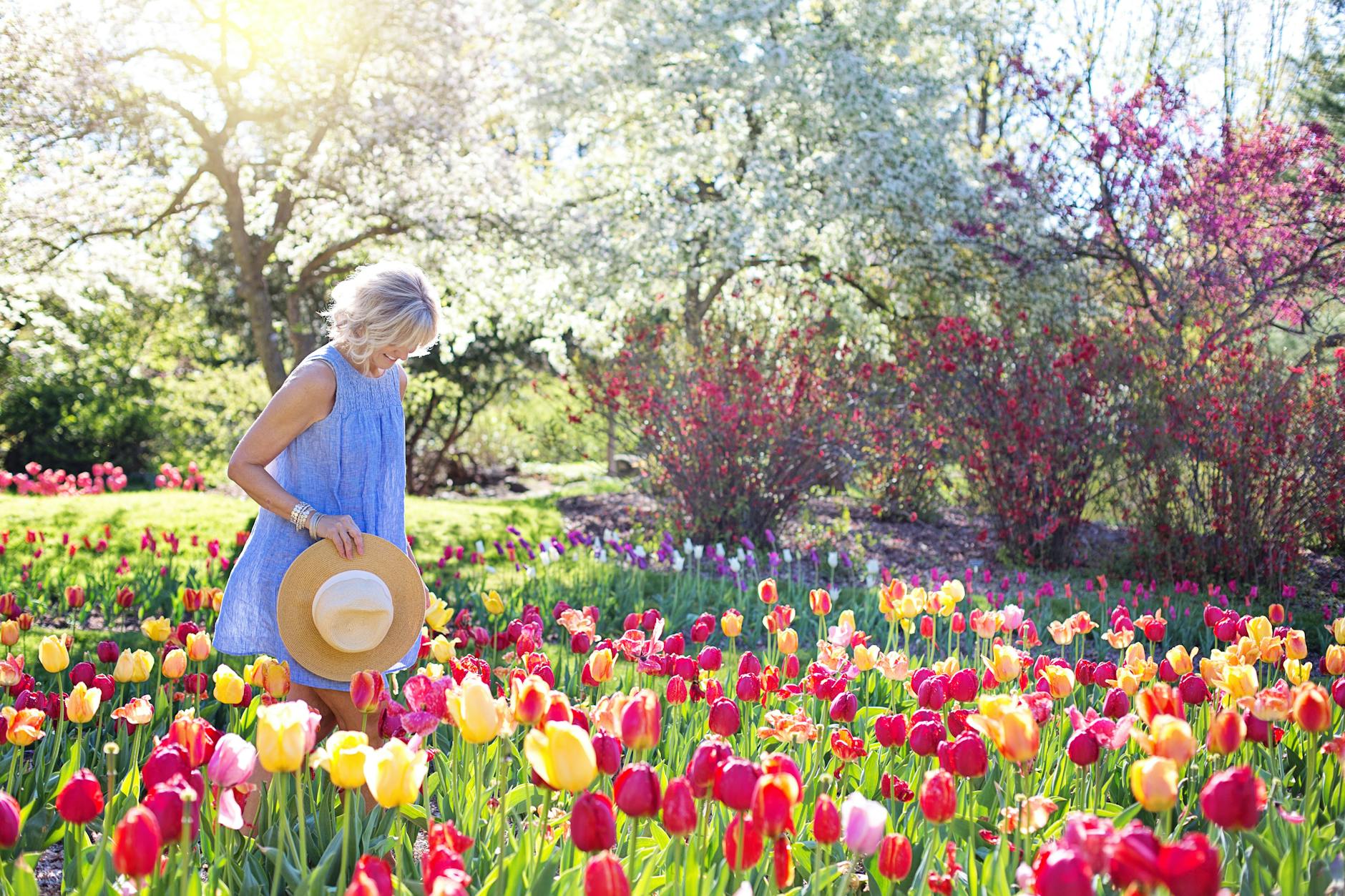
Scroll through any social media feed and you’ll find countless examples of the midlife reinvention story: The woman who left her corporate job to start a wellness empire. The mother who became a marathon runner after her kids left for college. The wife who divorced her husband and moved to Bali to become an artist.
While these stories can be inspiring, they can also create a subtle pressure to transform our lives in visible, Instagram-worthy ways. They perpetuate the idea that the only valid response to midlife questioning is dramatic external change.
But what if the most profound transformation available to us at midlife isn’t about changing our circumstances, but about changing our relationship with ourselves? What if instead of seeking to reinvent ourselves, we focused on remembering ourselves?
The Art of Remembering
In my own journey, and in deep conversations with other women, I’ve noticed that midlife often brings us full circle to aspects of ourselves we abandoned in youth. The girl who loved to dance but stopped because someone called her awkward. The teenager who wrote poetry but set it aside for more practical pursuits. The young woman who dreamed of traveling but chose security instead.
These lost parts of ourselves don’t need to be transformed into careers or side hustles. They simply ask to be remembered, acknowledged, and perhaps given some space to breathe in our current lives. Sometimes the most revolutionary act is simply returning to what we once loved, without agenda or expectation.

Practical Ways to Honor the Portal
- Creating Space for Silence
- In a world that fears emptiness, deliberately making room for quiet can feel radical. This might mean starting your day with ten minutes of sitting in silence, taking solo walks without podcasts or phone calls, or scheduling regular “white space” in your calendar with no particular agenda.
- Befriending Your Body
- Rather than fighting the physical changes of midlife, experiment with treating your body as a wise ally. Notice what foods, movements, and rhythms support your changing needs. Release the struggle with your reflection and practice speaking to yourself with tenderness.
- Tending Your Inner Life
- Just as you might tend a garden, your inner life needs regular attention. This could involve journaling, meditation, prayer, or any practice that helps you maintain contact with your deeper self. The form matters less than the consistency and sincerity of your attention.
- Cultivating Honest Conversations
- Seek out or create spaces where you can speak truthfully about your experience. This might be with a therapist, a trusted friend, or a circle of women who are also navigating this territory. The simple act of naming our experience without trying to fix or solve it can be profoundly healing.
- Embracing Both/And
- Midlife often brings us face to face with paradox. We might feel both grateful and restless, both wise and uncertain, both settled and searching. Practice holding these apparent contradictions with curiosity rather than trying to resolve them.
The Wisdom of Waiting
Perhaps the most countercultural aspect of treating midlife as a sacred portal is the willingness to wait – to resist the urge to rush through our uncertainty toward premature answers. This waiting isn’t passive; it’s a deep, active listening to what wants to emerge from within us.
In nature, transformation rarely happens quickly. A butterfly doesn’t rush its metamorphosis. A seed doesn’t hurry its sprouting. Each follows an inherent timing that can’t be forced or rushed. We too have our own timing, our own organic process of unfolding.
This doesn’t mean we become passive or stop taking action in our lives. Rather, it suggests that we might move forward with more attention to our internal rhythms, making choices that align with our deeper knowing rather than external pressures or expectations.
An Invitation to Explore
As we close, I offer these questions for gentle reflection. Consider writing about them in your journal, discussing them with a trusted friend, or simply holding them in your heart as you go about your days:
- What parts of yourself have been asking for more attention lately?
- What would it look like to treat your current life transition as sacred rather than problematic?
- When you listen deeply to your heart, what does it whisper about what wants to emerge in this season?
- What might become possible if you trusted the timing of your own unfolding?
Remember, there are no right or wrong answers. The value lies in the exploration itself, in the willingness to stay present with your experience without rushing to conclusions or solutions.
May you honor whatever is arising in your life right now, knowing that you’re exactly where you need to be on your journey. The portal of midlife holds gifts unique to this season – gifts that can only be received through presence, patience, and a willingness to trust the wisdom of your own heart.
Do you want to learn more about how your nervous system isn’t a spiritual block? Click here..
Like what you just read?
Join me over on Sacred & Skeptical, my weekly Substack letter for women 40+ who are ready to heal honestly, grow slowly, and ditch spiritual performance.
Subscribe now for grounded essays, gentle prompts, and a little truth for your inbox each week.
Click here to subscribe


You May Also Like
What I Keep — and What I’ve Let Go — from My Spiritual Toolbox
Why You Don’t Have to Be an Influencer to Make an Impact